Life Jacket and Water Safety
Washington’s waterways are a great place to swim, boat and enjoy the outdoors, but conditions can change quickly. Cold water, currents, sudden drop-offs and changing weather can create hazards even for experienced swimmers and boaters.
Know the conditions, know your limits and always wear a properly fitted life jacket.
Life Jacket Loaner Program
Need a life jacket for the day? Life jackets are available to borrow and return at three locations along the Gig Harbor waterfront:
- Jerisich Dock – 3211 Harborview Drive
- Eddon Boat Dock – 3805 Harborview Drive
- Maritime Pier – 2925 Harborview Drive
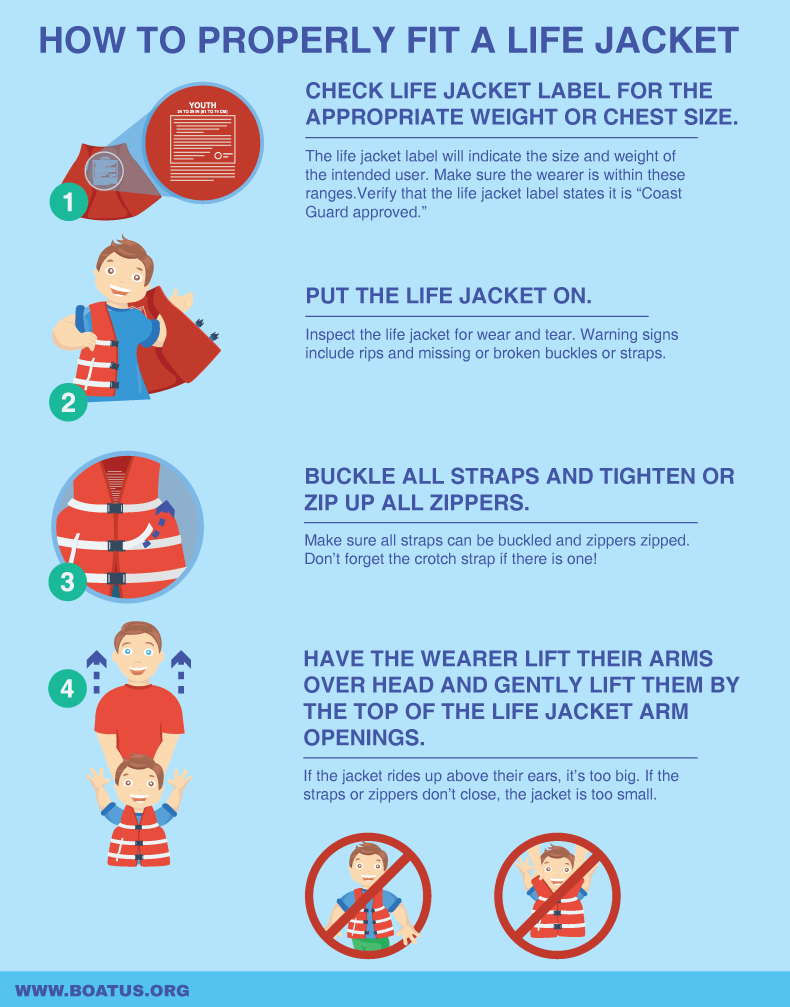
Life jackets should fit snugly, be appropriate for the activity and be properly secured whenever they are worn.
For additional boating safety information, education and resources, visit the Washington State Parks Recreational Boating Safety Program
- Open water is different from a swimming pool. Lakes, rivers and Puget Sound can have cold temperatures, currents, uneven bottoms and limited visibility that can quickly challenge even experienced swimmers.
- Choose safer places to swim. Whenever possible, swim in designated or lifeguarded areas and avoid unfamiliar waters or areas with strong currents.
- Watch for sudden drop-offs. Lakes and rivers can become deep very quickly, creating additional risk for children and inexperienced swimmers.
- Wear a life jacket while boating. Make sure everyone has a properly fitted life jacket and never overload your boat.
- Stay sober on and around the water. Alcohol and drugs can impair judgment, coordination and your ability to respond to changing water and weather conditions.
- Keep children within reach. Children can get into trouble quickly and quietly around water. Close, active supervision is essential.
Washington waters can be cold and unpredictable at any time of year, even when the weather is warm.
Spring
Rivers can be high, cold and swift from rain and snowmelt. Lakes and rivers may remain dangerously cold even on warm days, increasing the risk of cold-water shock and hypothermia.
Summer
Warm air temperatures don’t necessarily mean warm water. Water below the surface can remain very cold. Watch children closely, be aware of currents, sudden drop-offs, rocks and log jams, and use caution when swimming, paddling or floating.
Fall
Early fall can bring warm days, but conditions can change quickly. Be prepared for colder water, changing weather and shorter daylight hours as the season progresses.
Winter
Cold water, storms and rapidly changing conditions can make winter recreation especially hazardous. Wear appropriate protective gear and a life jacket, check conditions before heading out, and let someone know where you are going and when you expect to return.
- Wear it, don’t just bring it. Unexpected falls overboard and changing conditions leave little time to put on a life jacket once you’re in the water.
- Make sure it fits properly. Choose a U.S. Coast Guard-approved life jacket appropriate for your size, weight and activity.
- Make sure children have the right fit. A child’s life jacket should fit snugly and be appropriate for their size and weight.
- Know the law. Washington has requirements for life jacket use and for carrying approved life jackets aboard recreational vessels.